At Ampersand Flowers,
we offer expert assistance
with all things wedding: wedding flowers, of course...
& full-service planning
& day-of coordinating
& licensed officiants
& partial planning
& muchmore.
We're based in Columbus, Ohio,
but we're happy to travel wherever you need us.
Please note: We no longer accept orders for
Valentine's Day, Mother's Day, or school dances,
and we no longer host private events. Thank you for understanding!
bottom of page
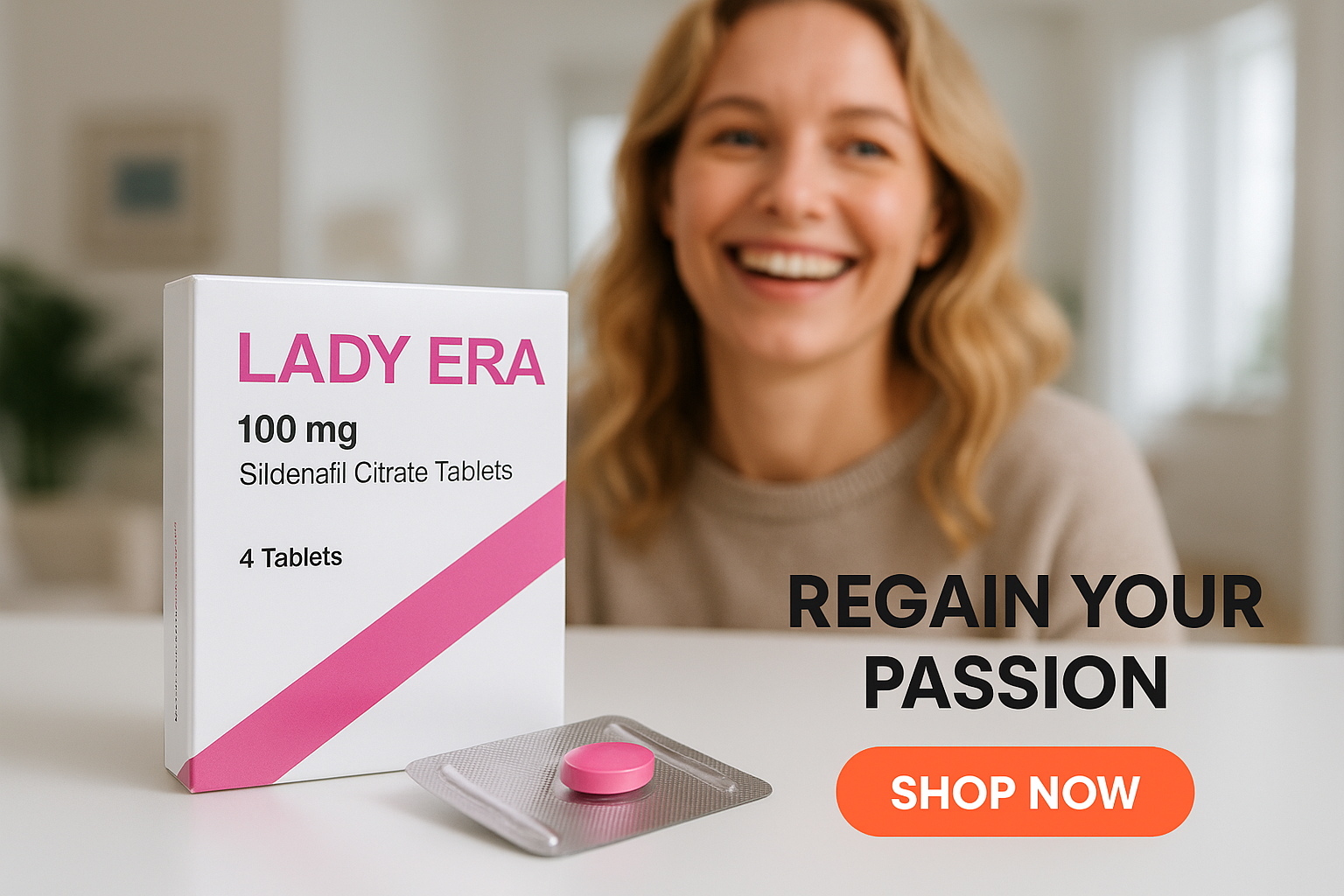
Individuals in the menopausal transition often confront a complicated matrix of symptoms—such as vasomotor disturbances, mood changes, and genitourinary discomfort—for which therapeutic remedies are continually sought. One pertinent question is whether there exists a safe and efficacious approach to symptom management that minimizes the potential complications historically attributed to traditional hormone therapy. Within this context, Lady Era has emerged as a hormone replacement therapy (HRT) that appears to hold promise for mitigating a range of menopausal complaints, including but not limited to hot flashes, emotional volatility, and vaginal atrophy. Despite growing attention and use, the mechanisms, benefits, and safety profile of Lady Era remain important subjects for careful clinical evaluation, especially as women navigate this pivotal “lady era” of their lives.
Lady Era can be described as a form of bioidentical hormone replacement therapy engineered to offer support specifically for women experiencing the physiological changes of menopause. As opposed to some standard hormone regimens, Lady Era includes estradiol, which is a formulation of estrogen that attempts to closely resemble the endogenously produced hormones of the ovary. There is evidence suggesting that such molecular similarity may facilitate a more natural restoration of hormonal balance, potentially conferring fewer adverse effects and a superior tolerability profile. Nonetheless, responses can be highly individualized and not all women achieve optimal results or complete symptom resolution. For this reason, practitioners usually advocate a carefully monitored and tailored approach.
According to several clinical observations, the most attractive aspect of Lady Era for many patients is its direct targeting of deficit-driven symptoms associated with menopause—specifically those resulting from a decline in estrogen. Persistent issues such as pronounced night sweats, recurrent hot flashes, affective lability, and urogenital dryness can severely compromise quality of life for a subset of menopausal women. Supplementation using an estrogen analog as found in Lady Era may help replenish declining hormone levels and thereby ameliorate the symptom burden. However, existing data and clinical experience suggest that the effectiveness and safety of hormone replacement therapies can vary significantly, necessitating individualized risk assessments and ongoing follow-up. Thus, a one-size-fits-all approach remains neither feasible nor advised.
Assessing the risk-benefit ratio is imperative when contemplating HRT, and the medical literature continues to evolve as new evidence emerges. Ongoing and past studies such as the Evaluation of Mammographic Breast Density in Participants with Hormone Receptor-Negative Breast Cancer Enrolled on Study A011502 help to clarify possible associations between hormone therapy and adverse outcomes, including breast cancer risk. Although some findings imply that judicial use under medical supervision may be safe for most women without a history of hormone-sensitive cancers, such decisions should still be informed by robust, up-to-date evidence and individualized professional judgment. Consequently, interdisciplinary dialogue between patient and healthcare provider remains essential throughout maintenance therapy.
Women researching current scientific discourse on the subject will find a wide variety of resources, such as comprehensive overviews and original investigations in peer-reviewed literature. Specifically, references like PubMed lady era 41412141, PubMed lady era 42011631, and PubMed lady era 41990684 compile enriched perspectives regarding the pharmacology, safety profiles, and comparative efficacy of various HRT modalities. These publications appear to substantiate the need for continuous reappraisal of risks and for cautious optimism regarding outcomes when modern preparations such as Lady Era are utilized. As the field advances, such readings could aid in guiding informed choices in clinical settings.
The question of how best to procure Lady Era is a common one, as financial and logistical barriers can sometimes impede patient access to standardized HRT. Potential customers may encounter outreach materials with titles such as "Buy Generic Lady Era At Walmart" or "Buy Lady Era Online," promoting simple accessibility. Nonetheless, current clinical guidance strongly recommends that these products be sourced only through verified outlets with process validation and oversight; unsupervised usage may introduce significant safety risks. For those seeking information pertaining to pricing or region-specific supply—such as "Lady Era Best Price" or "Lady Era UK"—it is prudent to combine this with direct consultation from health professionals or reputable pharmacy providers. Prioritizing credibility and supervision is advised, as self-medication without proper assessment can present serious hazards.
In some instances, individuals may inquire about ways to obtain "Lady Era Without A Prescription,” potentially attracted by expedience or reduced healthcare costs. Nevertheless, hormone replacement therapy is not considered appropriate for unsupervised use, given its array of contraindications and possible side effects, which may include increased risk for venous thromboembolism, cardiovascular events, or cancer in susceptible populations. Even seemingly minor symptoms or interactions could have unexpected clinical significance. For this reason, working closely with one's healthcare provider and maintaining open communication about all therapies and health changes could be crucial for avoiding preventable complications.
Furthermore, those considering Lady Era should be advised to review concomitant medications. As an illustration, individuals treated for hypertension or autoimmune disorders might benefit from exploring comprehensive safety data on related compounds, including references such as what to know on Lisinopril or a review of Hydroxychloroquine with regards to possible interactions. Research suggests that such awareness enhances drug safety and minimizes unanticipated adverse events, especially as hormonal therapies are seldom used in pharmacologic isolation.
Alternative and complementary therapy inquiries remain frequent as well. It is increasingly common for women to combine evidence-based hormone therapy with other interventions—ranging from modified diet and exercise regimens to herbal or supplemental agents—although outcomes may differ. Prior to making any modifications to an established therapeutic routine, or before procuring medications from websites or international pharmacies such as ampersandflowers.com, the prevailing recommendation is to seek guidance from qualified professionals, as efficacy and quality control may vary among unregulated sources.
Notably, for patients whose menopausal experience is complicated by sexual dysfunction—manifesting as decreased libido or vaginal dryness—pharmacologic interventions such as Lady Era could offer perceptible improvement. For broader sexual health or related issues, open discussion about options that include both female and male treatments, such as Viagra and hormone-based approaches, might help in individualizing and optimizing quality of life strategies. Engaging in these conversations within a confidential, medically supported environment could be highly beneficial for both accurate diagnosis and goal-oriented therapy adjustments.
Key Takeaways
Lady Era may function as a bioidentical hormone replacement therapy intended to alleviate varied menopausal symptoms by attempting to restore endogenous estrogen balance.
Acquiring Lady Era through vetted medical channels and with prescriptions is advised, as this approach mitigates exposure to unnecessary health hazards associated with self-directed therapy or use of uncertified pharmaceuticals.
The intersection of hormone therapies with other medications or medical conditions could influence safety and outcomes, so ongoing professional advice and multifactorial assessment are paramount in ensuring individualized, effective care.
In conclusion, navigating the “lady era” of menopause may bring forth a complex array of physiological and psychological adjustments. While advancements like Lady Era appear to offer innovative pathways for symptom relief, a cautious, evidence-based, and professionally guided approach should underpin their application. Ongoing engagement with evolving research and transparent discussions with one's healthcare provider may enable women to manage their menopausal transition with heightened confidence, emotional reassurance, and improved overall well-being.