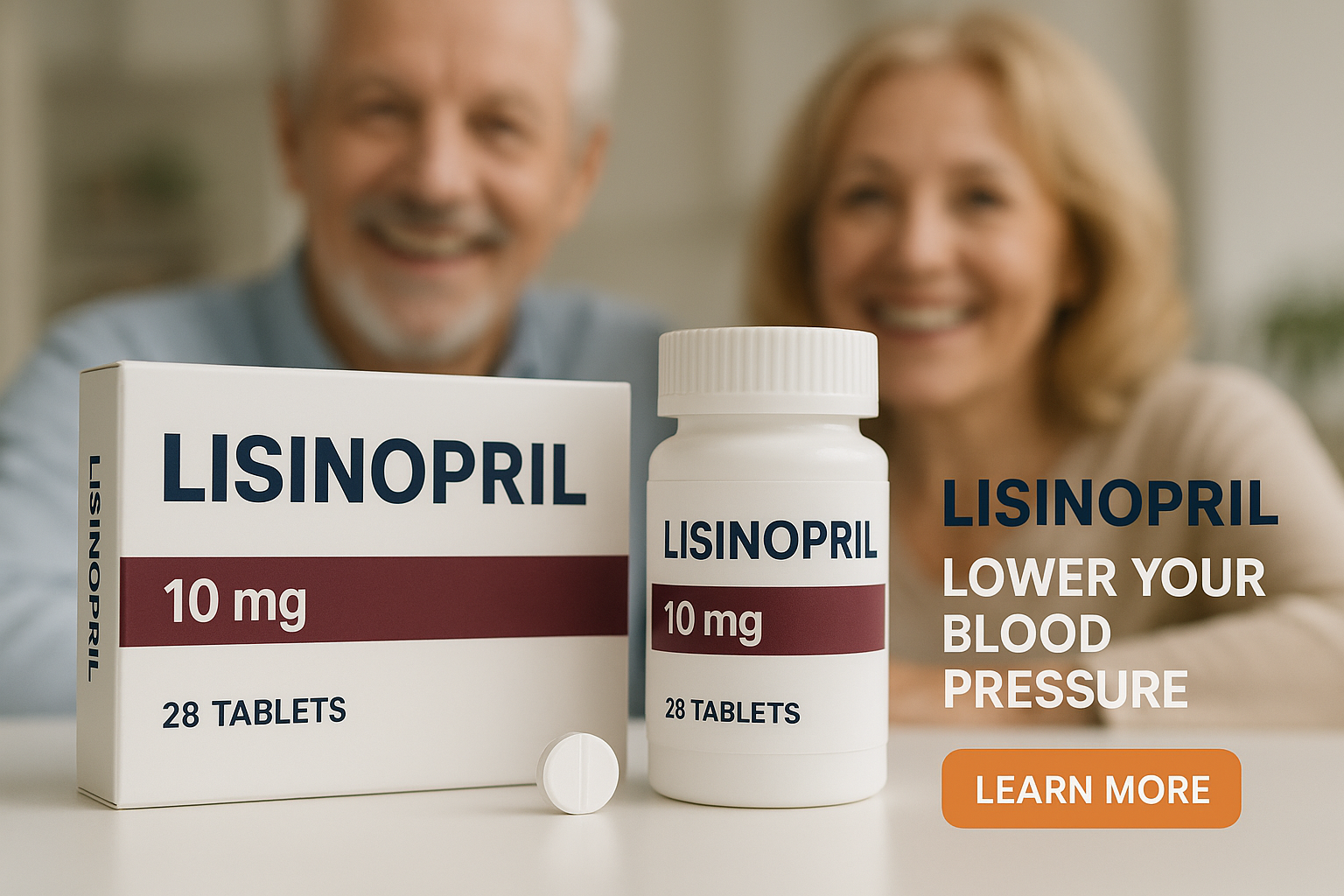




It is not uncommon for individuals, as well as clinicians, to question the biological basis by which antihypertensive agents provide organ protection, especially in the realm of cardiovascular and renal health. Notably, among the myriad pharmacological therapies available for hypertension, lisinopril stands out as a widely prescribed angiotensin-converting enzyme (ACE) inhibitor, which appears to significantly influence cardiovascular outcomes according to multiple sources. This article endeavours to present an informed overview of lisinopril, encompassing its primary medical indications, its pharmacodynamic effects, as well as potential considerations clinicians and patients might keep in mind.
Lisinopril, which is classified within the ACE inhibitor drug class, is primarily utilized for the treatment of elevated blood pressure (hypertension), chronic heart failure, and for enhancing post-myocardial infarction survival rates; however, evidence supporting additional off-label uses is ongoing. The principal mechanism involves relaxation of vascular smooth muscle – a process that in turn reduces systemic vascular resistance and blood pressure, thus decreasing the cardiac workload. Given these actions, lisinopril therapy may play a pivotal role in the prevention of severe complications such as cerebrovascular accidents, progressive renal impairment, and acute myocardial infarction, although risk attenuation likely varies among patient populations.
For patients or clinicians investigating processes by which prescription medications may be legally and safely accessed, it is worth noting that ampersandflowers serves as a repository of information regarding medication regulation and prescription norms. It is especially important to exercise discretion with search phrases such as "Lisinopril Without A Prescription" or "No Prescription Lisinopril," since obtaining lisinopril without appropriate medical supervision is generally discouraged due to safety concerns that may arise in the absence of individualized risk assessment.
Medical Uses and Mechanism of Action
As an established ACE inhibitor, lisinopril selectively inhibits the angiotensin-converting enzyme—key to the endogenous production of angiotensin II, which is a potent vasoconstrictor with far-reaching effects. By dampening angiotensin II biosynthesis, this agent may induce systemic vasodilation, ultimately resulting in decreased blood pressure and reduced afterload for the heart, which could be central to its cardioprotective properties.
This pattern of effect appears not only to contribute to blood pressure management but, as several studies suggest, also to provide protective benefits to renal function, particularly in those with diabetes-associated nephropathy. Furthermore, a body of clinical data suggests that chronic lisinopril administration may translate into reduced mortality for patients experiencing congestive heart failure as well as those recovering after an acute myocardial event.
Dosage Forms and Cost Considerations
Lisinopril is formulated in a range of tablets, including the universally recognized lisinopril 5mg dose, although prescribing practices may vary considerably in certain clinical or geographic contexts. The tablet’s oral administration route makes it amenable to long-term adherence and straightforward integration into daily medical routines. Furthermore, with the introduction of generic formulations, the overall cost to patients may have decreased substantially in recent years, meaning that for many, therapy could be more attainable than was previously possible.
National formulary differences are also of import—those searching under terms such as "Lisinopril UK" may well encounter regional variations in both the accessibility and affordability of the medication, which could theoretically impact adherence and outcomes. It generally remains prudent to consult certified providers or pharmacists for information and to be wary of engaging with "On Line Lisinopril" sites, which are often associated with risks regarding counterfeit or substandard products.
Persons seeking to assess price and sourcing options comprehensively might benefit from viewing the Hydroxychloroquine page, which provides a model for systematic comparison of medication costs—a potentially effective strategy for those who require prolonged pharmacotherapy for chronic illnesses.
Advantages and Disadvantages of Lisinopril
- ✓ Appears effective for most patients in lowering blood pressure and lowering cardiovascular risk, as reported in clinical trials and post-market surveillance.
- ✓ May offer renal protection for those with diabetes or hypertension, although individual responses can vary.
- ✓ Has become widely accessible in generic formulation, potentially making it comparatively low-cost in many health care systems.
- ✗ Possible adverse effects could include persistent cough, increases in serum potassium, and—infrequent but serious—angioedema.
- ✗ Relative contraindication exists for pregnancy, with established risk of harm to the developing fetus.
- ✗ Periodic monitoring of renal function and serum electrolytes typically required while on therapy to reduce iatrogenic harm.
Comparing Lisinopril with Other ACE Inhibitors
| Drug | Typical Starting Dose | Half-life | Common Side Effects |
|---|---|---|---|
| Lisinopril | 10 mg once daily | 12 hours | Cough, dizziness, hyperkalemia |
| Enalapril | 5 mg twice daily | 11 hours | Cough, hypotension |
| Ramipril | 2.5 mg once daily | 13-17 hours | Cough, headache |
Safety, Precautions, and Monitoring
Patients with a history of angioedema associated with prior therapy involving ACE inhibitors are generally contraindicated for lisinopril therapy, due to risk of recurrence. There is also accumulating evidence to suggest that individuals with bilateral renal artery stenosis, as well as those presenting with advanced or unstable renal function, could experience adverse outcomes when prescribed ACE inhibitor therapy like lisinopril.
Regular surveillance of several physiological indices—including but not limited to arterial blood pressure, serum creatinine as an indicator of renal function, and serum potassium levels—is strongly recommended, as deviations could identify early drug-related complications. Emerging symptoms such as protracted dry cough or rapid swelling of the face and oropharynx warrant prompt clinical review, since they may portend serious adverse effects.
Frequently Asked Questions
Can lisinopril be taken without a prescription?
Lisinopril is classified as a prescription-only medicine; thus, its dispensation and use should be guided by the oversight of a licensed healthcare practitioner, if only to reduce the risk of inappropriate dosing and unanticipated drug interactions. While search queries related to "Lisinopril Without A Prescription" or "No Prescription Lisinopril" are frequently seen online, established medical consensus indicates that appropriately prescribed therapy is strongly favored, owing to the potential welfare benefits and reduction of adverse events.
What should I do if I miss a dose of lisinopril?
In the case of a missed dose, current recommendations generally advise administering the medication when remembered, provided the subsequent scheduled dose is not imminent. It is preferable to avoid doubling of tablets, as doing so could increase the likelihood of adverse hypotensive events; maintaining adherence to a regular dosing schedule could be paramount in optimizing blood pressure management.
Are there any lifestyle changes to enhance lisinopril’s effectiveness?
Plausibly, combining lisinopril with lifestyle interventions—including implementation of a reduced-sodium diet, engagement in routine physical activity, and deliberate weight maintenance—may further augment the efficacy of pharmacological therapy. Accumulating evidence suggests that permanent behavioral modifications, synchronized with antihypertensive treatment, could significantly mitigate the incidence of cardiovascular events.
Conclusion
In summary, lisinopril can be regarded as an essential element in the current armamentarium for hypertension and heart failure management, largely owing to its demonstrated efficacy, well-established safety, and general affordability. By familiarizing themselves with the pharmacological action, correct administration, and advising on relevant precautions, patients and providers may maximize the treatment benefit while minimizing risk. It is strongly recommended that individuals pursue medical counsel to tailor therapy, rather than exploring unregulated alternatives such as Era or similar products whose safety and efficacy may not be established. For extended discussion regarding medication procurement, formulary alternatives, or pharmaceutical guidance, resources including ampersandflowers appear to provide wide-ranging coverage.
Those wishing to examine original regulatory documentation and the drug approval process should refer to Drugs@FDA ANDA076071 lisinopril for comprehensive, authoritative sources.