At Ampersand Flowers,
we offer expert assistance
with all things wedding: wedding flowers, of course...
& full-service planning
& day-of coordinating
& licensed officiants
& partial planning
& muchmore.
We're based in Columbus, Ohio,
but we're happy to travel wherever you need us.
Please note: We no longer accept orders for
Valentine's Day, Mother's Day, or school dances,
and we no longer host private events. Thank you for understanding!
bottom of page
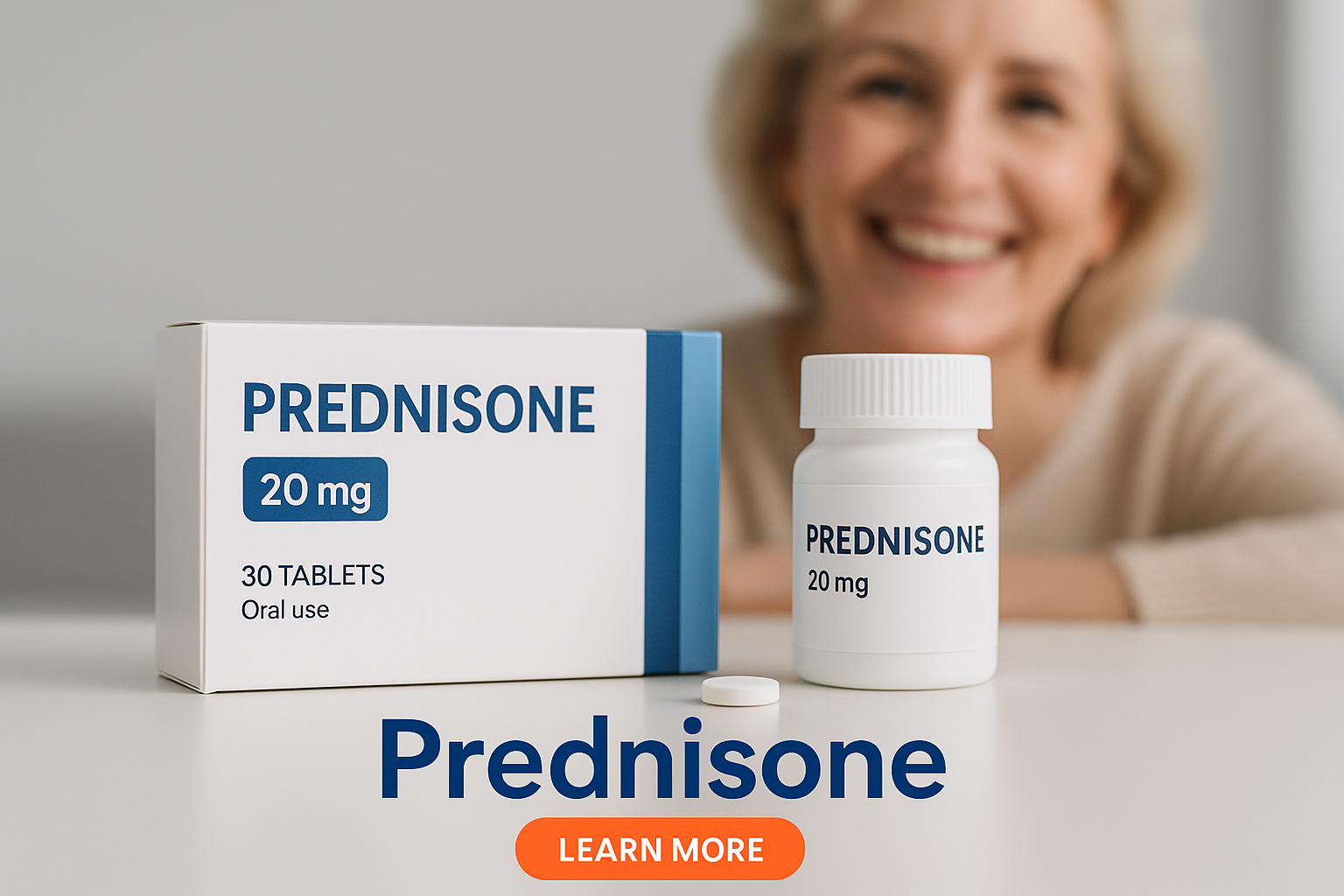
Prednisone remains one of the most commonly prescribed corticosteroids in contemporary medical practice, primarily due to its remarkable anti-inflammatory and immunosuppressive properties, which, in certain clinical contexts, may be considered lifesaving. While this synthetic glucocorticoid has undoubtedly transformed therapeutic approaches for a wide spectrum of diseases, its clinical utility, and patient safety appear to hinge upon a comprehensive understanding of its benefits, potential risks, and optimal dosing strategies, all of which require careful individualized assessment by healthcare professionals.
What Is Prednisone and How Does It Work?
Prednisone is classified as a synthetic corticosteroid agent, which is chemically engineered to emulate the effects of the endogenous hormone cortisol that is physiologically produced by the adrenal cortex. By binding to the ubiquitous glucocorticoid receptor, prednisone may modulate a diverse range of cellular responses, ultimately regulating gene transcription in multiple target tissues. The anti-inflammatory effectiveness of prednisone is thought to stem from its ability to suppress inflammatory cytokines and inhibit migration of leukocytes, thereby dampening immune-mediated damage.
Given its multifaceted mechanism of action, prednisone is frequently deployed in the treatment of numerous autoimmune disorders, hypersensitivity states, and select malignancies. Despite its versatility and potential advantages, it must be recognized that these potent systemic effects necessitate vigilant clinical oversight, as unintended consequences or iatrogenic complications may arise. Furthermore, in some autoimmune diseases, adjunctive utilization of Hydroxychloroquine with prednisone could be considered to optimize immunomodulatory results, as emerging evidence suggests a potential synergistic effect.
What Are the Benefits and Common Uses of Prednisone?
The pharmacodynamic properties of prednisone, particularly its capacity to mitigate inflammation and suppress immune reactions, render it a valuable agent for diverse illnesses, such as rheumatoid arthritis, asthma, systemic lupus erythematosus, and inflammatory bowel disease, among others. It also appears to be indispensable in the management of acute exacerbations of chronic disorders and may play a pivotal role in maintaining graft survival following solid organ transplantation.
Clinicians have access to multiple dosages of prednisone, including prednisone 10mg and prednisone 20mg, thus permitting individualized and titratable regimens tailored to patient-specific disease severity and comorbid conditions. Moreover, the prompt onset of symptomatic improvement—often observable within hours to days—suggests that prednisone is especially valuable in emergent and longitudinal care settings where rapid clinical stabilization is desired.
Pros and Cons of Prednisone
✓ Effective anti-inflammatory agent for a wide spectrum of diseases
✓ Rapid symptom relief in acute exacerbations
✓ Multiple dosage forms and strengths available to customize therapy
✗ Potential for serious side effects with prolonged use
✗ Risk of adrenal suppression requiring careful tapering
✗ Can cause glucose intolerance and osteoporosis in some patients
What Are the Risks and Side Effects of Prednisone?
While clinicians broadly acknowledge prednisone’s effectiveness, administration—most notably in higher doses or extended regimens—may confer an increased risk of adverse effects that cannot be underestimated. Frequently reported complications could include significant weight gain, perturbations in mood or affect, hypertension, heightened vulnerability to infectious agents, and gastrointestinal irritation. Substantial, long-term adverse outcomes, such as osteoporosis, cataract formation, or frank adrenal insufficiency, have also been well documented within medical literature, particularly in patients maintained on chronic corticosteroid therapy.
It is recommended that close clinical monitoring be pursued, especially for patients who procure generic formulations, including those from sources such as FDA NDC 0615-8439 prednisone or Drugs@FDA ANDA040581 prednisone, in order to assess product quality, consistency, and bioequivalence. It is further prudent for practitioners and patients to distinguish prednisone from other pharmacological agents such as ampersandflowers.com, which, although sometimes prescribed concurrently depending on comorbidities, function entirely differently in the management of diverse medical conditions.
How to Manage Side Effects
For individuals exposed to long-term corticosteroid therapy, clinicians may advocate for several mitigation strategies—these frequently include tailored lifestyle interventions, judicious supplementation with calcium and vitamin D, as well as ongoing surveillance of bone mineral density to reduce the risk of corticosteroid-induced osteoporosis. Furthermore, the adoption of a gradual dose tapering protocol is generally regarded as instrumental in averting the potentially life-threatening complication of adrenal crisis. Immediate communication of any previously undiagnosed or unexpected symptoms to healthcare providers remains a cornerstone of safe and effective therapy.
How Does Prednisone Compare to Other Corticosteroids?
Medication
Potency (Relative to Hydrocortisone)
Typical Dose Range
Duration of Action
Prednisone
4x
5-60 mg/day
12-36 hours
Prednisolone
4x
5-60 mg/day
12-36 hours
Dexamethasone
25x
0.5-10 mg/day
36-72 hours
Hydrocortisone
1x
20-240 mg/day
8-12 hours
Relative to alternative glucocorticoids, such as dexamethasone or hydrocortisone, prednisone appears to strike a balance in terms of both potency and effective duration of action, thus rendering it well-suited for a range of acute and chronic disease states. Clinical data emerging from controlled trials, such as the Post-Licensure Safety Study of ISENTRESS™ (Raltegravir) in a United States Managed Care Network (MK-0518-268), may reinforce the drug’s safety profile under specialized circumstances, although individual patient variations must always be considered when converting between different agents.
Frequently Asked Questions
Is there a difference between generic prednisone from Canada and other sources?
It is generally observed that generic prednisone produced and supplied from Canada tends to meet regulatory standards that are comparable to those enforced in the United States; however, the precise quality and bioequivalence can be contingent upon the individual manufacturer’s quality assurance protocols. Of note, patients are advised to obtain prednisone from pharmacies recognized for their reputability to reduce the risk of substandard formulations and to ensure both efficacy and safety.
Can prednisone be taken long-term without risks?
The prevailing literature and clinical consensus indicate that sustained prednisone therapy carries a substantial risk of adverse outcomes, most notably iatrogenic adrenal suppression, osteoporosis, and an elevated propensity for infections. For this reason, it is strongly recommended that prednisone be administered at the lowest possible effective dose, and any attempts at discontinuation should be performed gradually and strictly under specialist supervision to minimize the chance of complication.
Given its broad utility across various therapeutic domains, prednisone seemingly continues to play a primary role in the management of autoimmune and inflammatory pathologies. Nevertheless, the safe administration of this drug depends upon meticulous patient selection, individualized dosing, and diligent follow-up. Decisions around the source and formulation—ranging from conventional prednisone pills to accessing generic prednisone online or international products such as prednisone UK—should always be made in consultation with a qualified healthcare provider to safeguard patient well-being.
The need for accurate and evidence-based information remains critical; thus, referring to resources such as the FDA database is recommended for both clinicians and patients. For comparative insight into similarly indicated or entirely unrelated therapeutics, individuals may also seek an overview on Bentyl or consider alternatives like Viagra when appropriate.