At Ampersand Flowers,
we offer expert assistance
with all things wedding: wedding flowers, of course...
& full-service planning
& day-of coordinating
& licensed officiants
& partial planning
& muchmore.
We're based in Columbus, Ohio,
but we're happy to travel wherever you need us.
Please note: We no longer accept orders for
Valentine's Day, Mother's Day, or school dances,
and we no longer host private events. Thank you for understanding!
bottom of page
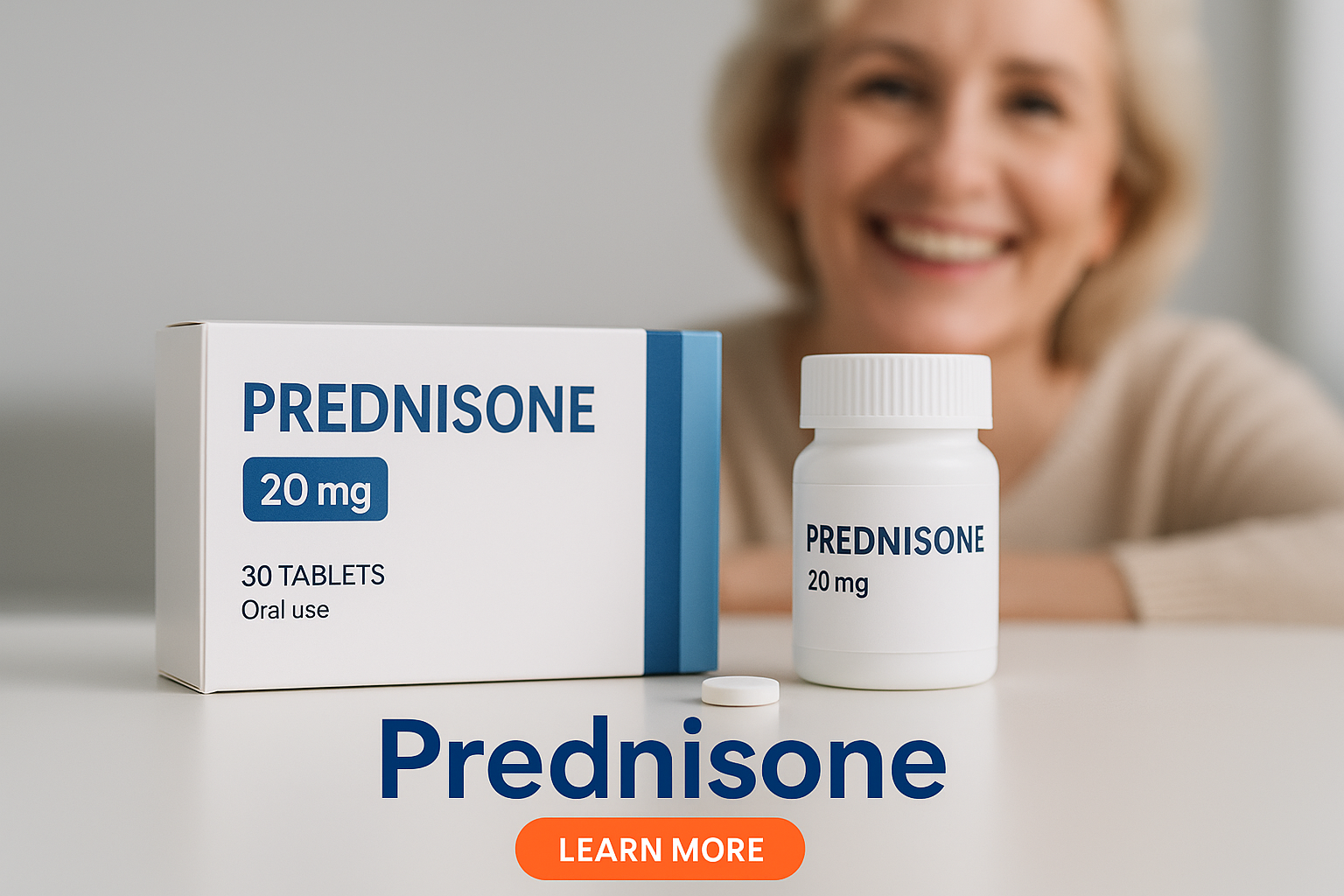
Prednisone: A Potent Therapeutic Agent Necessitating Careful Consideration
Prednisone is frequently regarded as a highly efficacious medication owing to its pronounced anti-inflammatory and immunosuppressive effects. This corticosteroid is utilized extensively in the management of a diverse range of clinical conditions, including but not limited to rheumatoid arthritis and severe allergic reactions, suggesting its broad therapeutic utility. However, the clinical application of prednisone is accompanied by a spectrum of potential benefits and risks, thereby making it imperative for healthcare professionals and patients alike to thoroughly weigh these factors when considering treatment options.
Understanding the Therapeutic Benefits of Prednisone
Fundamentally, prednisone exerts its pharmacological action by acting as a synthetic analog of cortisol, a glucocorticoid hormone endogenously produced by the adrenal cortex. Through this mechanism, prednisone may effectively suppress inflammatory pathways and mitigate immune system activity, which could be particularly beneficial during episodes of autoimmune disease exacerbations.
For example, autoimmune disorders such as systemic lupus erythematosus and rheumatoid arthritis are often characterized by excessive inflammation, tissue swelling, and potential organ damage; in these contexts, prednisone may provide significant symptomatic relief and disease control. Beyond autoimmune indications, prednisone is also employed in the treatment of conditions including asthma, various allergies, and certain malignancies. The relatively rapid onset of clinical improvement observed in patients suffering from chronic inflammatory symptoms may contribute to the perceived “miraculous” effects often attributed to this drug.
Addressing and Mitigating the Potential Adverse Effects Associated with Prednisone
Notwithstanding its efficacy, the administration of prednisone is not devoid of adverse consequences. Particularly with long-term use, there appears to be an increased risk of developing dependency and other complications, which necessitates vigilant clinical oversight.
Commonly reported side effects encompass weight gain, hyperglycemia, mood alterations, and heightened susceptibility to infections; therefore, ongoing monitoring by healthcare providers is essential to detect and manage these issues promptly. Furthermore, it is generally recommended to taper off prednisone gradually under medical supervision to avert the occurrence of adrenal insufficiency, as abrupt discontinuation could precipitate an adrenal crisis.
Engage in regular consultations with your healthcare provider to monitor therapeutic response and the emergence of side effects.
Adopt a nutritionally balanced diet aimed at counterbalancing potential changes in appetite or metabolic rate.
Maintain adherence to preventive healthcare measures, including recommended immunizations such as the influenza vaccine.
Modify prednisone dosage solely under clinical guidance to ensure safe tapering and effectiveness.
Discuss any possible pharmacological interactions with concurrent medications, for example with Cialis, to prevent adverse events.
Considering Viable Alternatives to Prednisone
For patients who either experience intolerable side effects or whose clinical presentation might not necessitate the potency of prednisone, exploring other pharmacotherapeutic options may be appropriate. Non-systemic treatments such as topical agents, medical cannabis, biologic therapies, and alternative corticosteroids could, in selected cases, provide symptomatic relief while potentially minimizing adverse risks.
Additionally, adjunct or complementary treatments available via resources like ampersandflowers may offer a multifaceted approach that aligns with individual patient requirements and enhances overall therapeutic outcomes.
Guidelines for the Safe Utilization of Prednisone
To optimize both the safety and effectiveness of prednisone therapy, it is crucial both to obtain the medication through reliable channels and to utilize it appropriately within the therapeutic regimen.
When investigating options for acquisition, including online platforms such as ampersandflowers.com, exercising caution is warranted; certain websites that advertise “how to order prednisone cheap” may not be well-vetted, thus posing risks related to legality and product quality. Ensuring procurement from authorized sources, particularly for specific dosages such as prednisone 5mg tablets, appears to be critical to maintaining both compliance with regulatory standards and safeguarding patient health.
Further detailed clinical data regarding prednisone’s usage can be explored through authoritative medical literature, for instance via studies indexed under PubMed prednisone 42183215.
Supplementary Therapies and Common Adjuncts to Prednisone
During the course of prednisone therapy, incorporating alternative nutritional supplements may support the drug’s efficacy or help ameliorate some of its adverse effects. Substances such as omega-3 fatty acids, vitamin D, and calcium have been frequently advocated to maintain skeletal integrity in the context of prolonged corticosteroid use.
Furthermore, implementing anti-inflammatory dietary modifications or lifestyle interventions, under professional advice, could provide additional symptom relief and contribute positively to overall patient wellbeing.
For individuals contemplating broader pharmacological alternatives, consulting resources such as ampersandflowers.com regarding interchangeable medications, or reviewing clinical guides on agents like Lasix, may assist in selecting therapeutics that maximize benefit while minimizing undesirable outcomes.
Key Takeaways
Prednisone may effectively reduce inflammation and alleviate symptoms associated with autoimmune disorders, allergic conditions, and other medical states.
Careful consideration and monitoring are necessary to mitigate potential adverse effects, including immunosuppression and metabolic disturbances.
Exploring complementary and alternative treatments can potentially enhance therapeutic efficacy and reduce the burden of side effects, thereby fostering a more holistic approach to patient care.
Conclusion
Although prednisone continues to represent an invaluable agent within contemporary clinical practice, predominantly due to its efficiency in managing inflammatory processes, it appears advisable that treatment decisions be made collaboratively with healthcare providers, weighing its benefits against inherent risks. Additionally, assessing available alternatives and personalized variations in therapy contributes to achieving optimal outcomes. Consequently, adherence to expert recommendations remains paramount to safe and successful prednisone use.